From burden to solutions: Somalia’s DRIVE toward safer food and trusted markets
From local milk markets to livestock exports, food safety depends on clear standards, reliable testing and systems people can trust.
For a woman selling milk in Mogadishu, food safety can be as simple as a clean container, proper storage and confidence that her product will reach customers in good condition. For a livestock exporter, it means trusted certification, healthy animals and fewer delays at the point of export. For both, food safety comes down to trust and compliance with standards.
That idea sits at the heart of World Food Safety Day 2026 and its theme, “From burden to solutions — safe food everywhere.” Around the world, unsafe food continues to undermine public health, livelihoods and economic growth. Food safety is not only about preventing illness; it is also about creating the systems that allow consumers, businesses and trading partners to trust the food they buy, sell and consume.
In Somalia, that trust matters more than ever. Livestock and animal products are central to the economy and support millions of livelihoods. As domestic and international markets place greater emphasis on standards, traceability and certification, food safety is increasingly becoming a gateway to market access, competitiveness and growth.
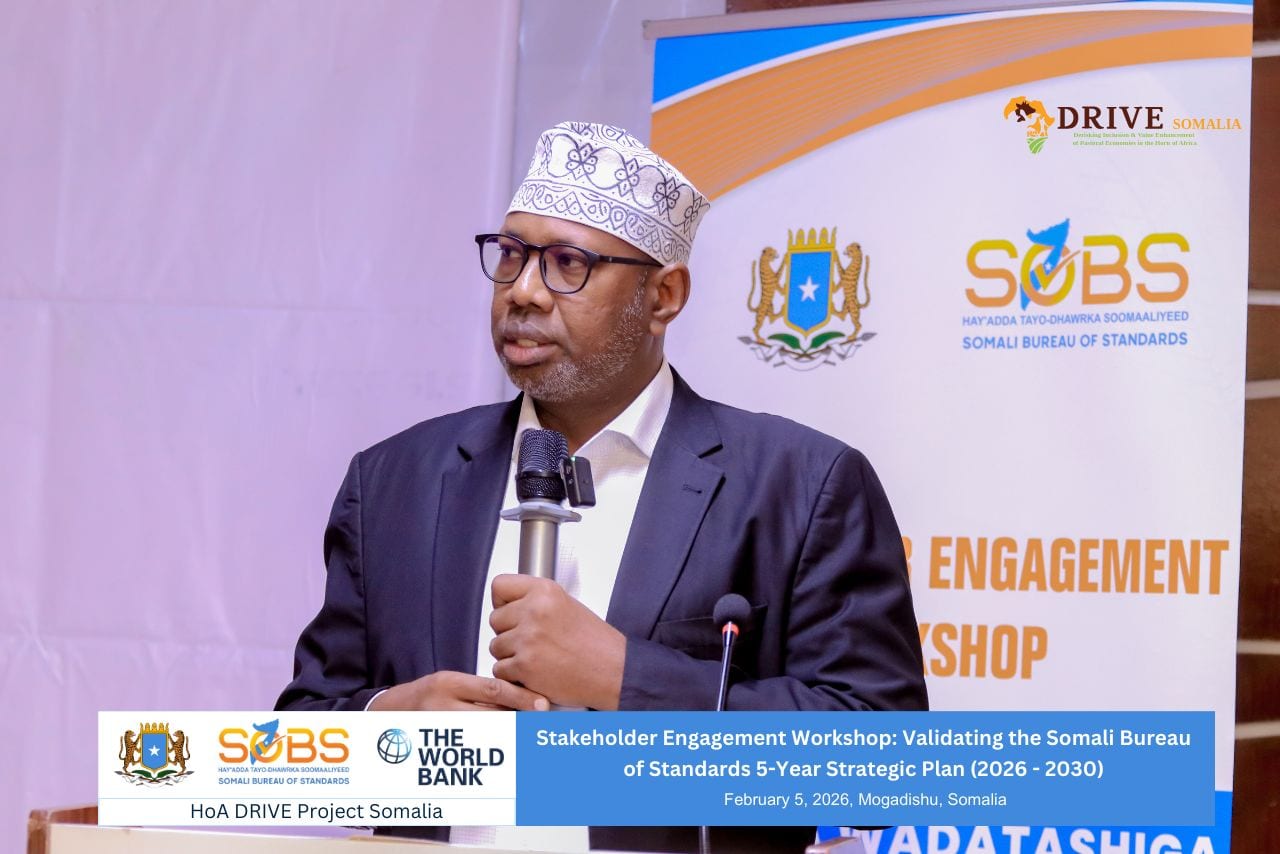
Through the World Bank-financed Horn of Africa De-risking, Inclusion and Value Enhancement of Pastoral Economies Project (HoA DRIVE), Somalia is investing in the foundations needed to strengthen that trust and comply with standards.
Building trust through evidence
A key part of the effort is strengthening the policy and regulatory environment. Project support for food safety, quality infrastructure and sanitary and phytosanitary reforms is helping build a more coordinated system for managing risks, enforcing standards and protecting consumers. Clear policies and laws matter because they define responsibilities, establish expectations and create greater confidence for businesses operating across the value chain.
Effective food safety systems depend on evidence. Regulators, producers and buyers need reliable information about hazards, compliance and product quality. Through support for the National Reference Laboratory and broader quality infrastructure, the project is building Somalia’s capacity to test, verify and generate the data needed for informed decision-making. Credible testing helps move food safety from assumption to evidence, giving both regulators and markets greater confidence in the products being traded.
People and systems that make standards work
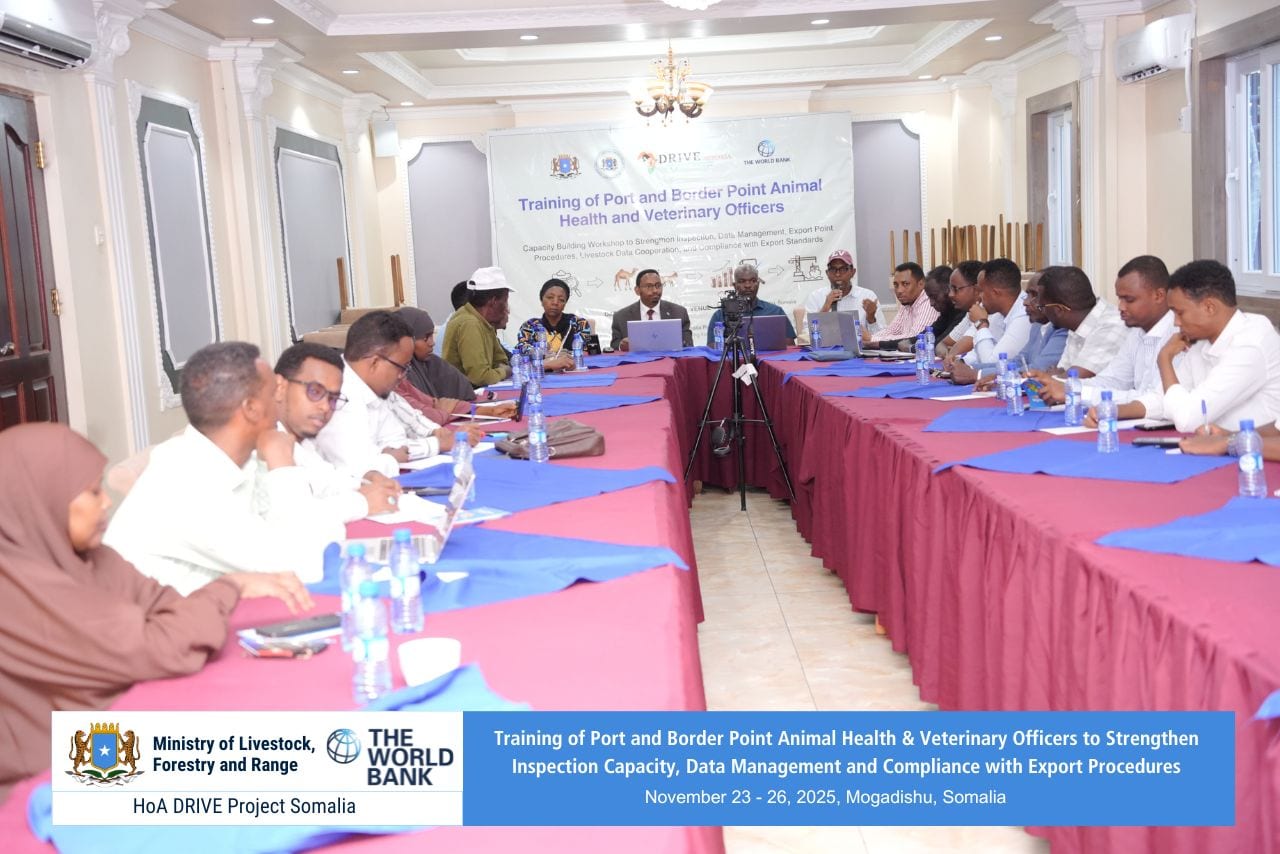
Equally important are the people who make these systems work. HoA DRIVE has supported capacity building for technical staff from public institutions, veterinary services, quarantine facilities, livestock associations and other actors involved in Somalia’s livestock trade corridors.
Training has focused on food safety, standards, quality assurance, animal health verification, biosecurity, inspection procedures and export certification. Policies are also being developed to tackle antimicrobial resistance (AMR), alongside training for pastoralists on avoiding the overuse of antibiotics.
These investments help ensure that policies, standards and technologies translate into practical services at the points where animals are inspected, certified and moved through the market system. They also strengthen the capacity to identify and manage risks early, supporting safer food, more trusted certification and improved access to regional and international markets.
Trust also depends on transparency. Buyers increasingly want assurance about where products come from, how they move through supply chains and whether certifications can be verified. Investments in the Somalia Livestock Identification and Traceability System (SOMLITS), electronic veterinary certification and QR-based verification tools are helping strengthen traceability across livestock value chains. Alongside these investments, training laboratory staff on AMR supports stronger food safety standards and compliance with maximum limits for veterinary drug residues.
The benefits extend beyond compliance. Better traceability supports disease control, strengthens certification systems and improves confidence among trading partners. It also helps reduce unnecessary delays and transaction costs by making information more accessible and verifiable, while helping to reduce health risks.
Safer food, stronger livelihoods
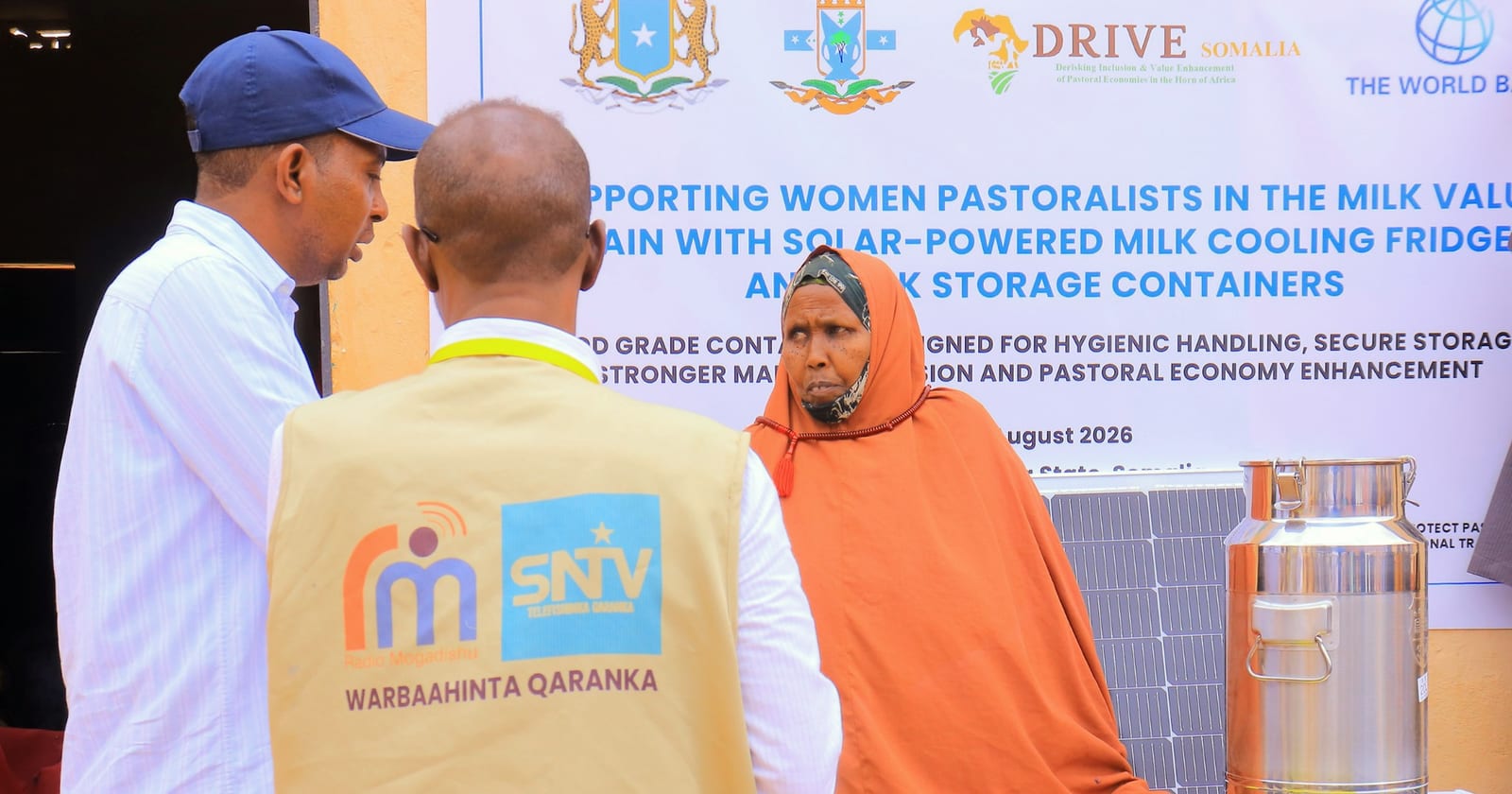
Food safety begins much closer to consumers than export markets. Across Somalia, women play a critical role in supplying milk and other food products to local communities. Support provided through HoA DRIVE, including improved milk containers, solar-powered cooling solutions and practical hygiene measures, helps reduce spoilage, improve product quality and strengthen incomes.
At the same time, businesses can access financing through the HoA DRIVE-supported Livestock Value Chain Fund to invest in improved facilities, cold-chain systems and other upgrades that support compliance with food safety and quality requirements.
By supporting both domestic food systems and export-oriented value chains, HoA DRIVE is helping build a food safety system that benefits consumers, traders, processors and exporters alike.
Somalia’s efforts also align closely with the global vision set out in the WHO Global Strategy for Food Safety 2022–2030, which calls for stronger food control systems, greater use of scientific evidence and closer collaboration across sectors.
That collaboration reflects a broader One Health approach, recognizing that human health, animal health, environmental management and trade are deeply interconnected. Safer food and stronger markets depend on progress across all of them.
World Food Safety Day reminds us that unsafe food is largely preventable, but prevention requires institutions, skilled professionals, reliable data, effective regulations and systems that people can trust.
Through HoA DRIVE, Somalia is helping build those systems. The result is not only safer food, but also stronger livelihoods, more competitive value chains and greater confidence in Somali products at home and abroad. That is how countries move from burden to solutions, and from risk to trust.
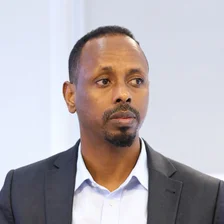
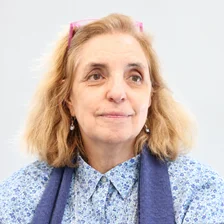
Sonia Plaza is a Senior Economist at the World Bank and Task Team Leader for the HoA DRIVE Project.
Abdiaziz Khalif is a Liaison Officer with the Project Implementation Unit at HoA DRIVE Somalia.