Somali pastoralists turn to feedlots and fodder to modernize livestock production
A five-day workshop in Adado equipped pastoralists with practical skills in feedlot management, fodder production and animal health.
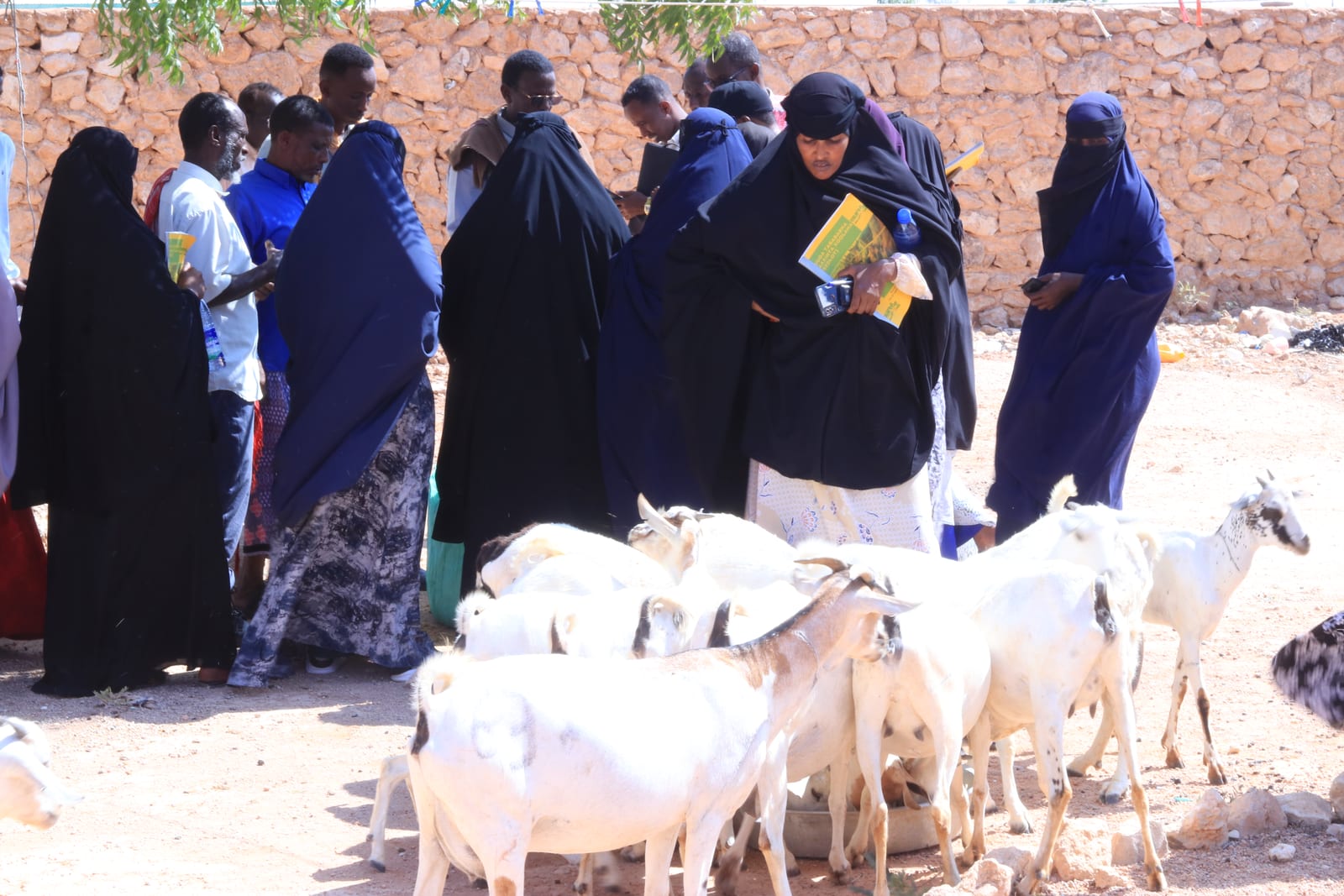
Somali pastoralists are adopting modern livestock practices, turning to feedlots and cultivated fodder to improve productivity, resilience and export returns.
Practical skills for healthier herds
In a five-day workshop held in Adado from 9–13 December 2025, pastoralists from across Galmudug were trained in practical feedlot management, controlled feeding, fodder production and basic animal health under a nationwide program led by the Ministry of Livestock, Forestry and Range (MoLFR), with support from the World Bank-funded HoA DRIVE Somalia project.
“The training showed us how to produce fodder and manage feedlots even when pastures fail,” said Layla Dahir Hussain, a livestock farmer from Adado. “With controlled feeding, our animals stay healthier, gain weight faster, and fetch better prices.”
Somalia’s livestock sector accounts for around 80% of exports, and improving productivity has become a government priority. Feedlots supported by cultivated fodder offer a reliable alternative to open grazing, helping producers to meet export standards throughout the year and reduce losses linked to drought and seasonal market swings.
The HoA DRIVE Somalia project aims to strengthen pastoral economies by improving market access and resilience across the livestock value chain. Training sessions such as the Adado workshop are meant to turn this effort into practical skills for herders.
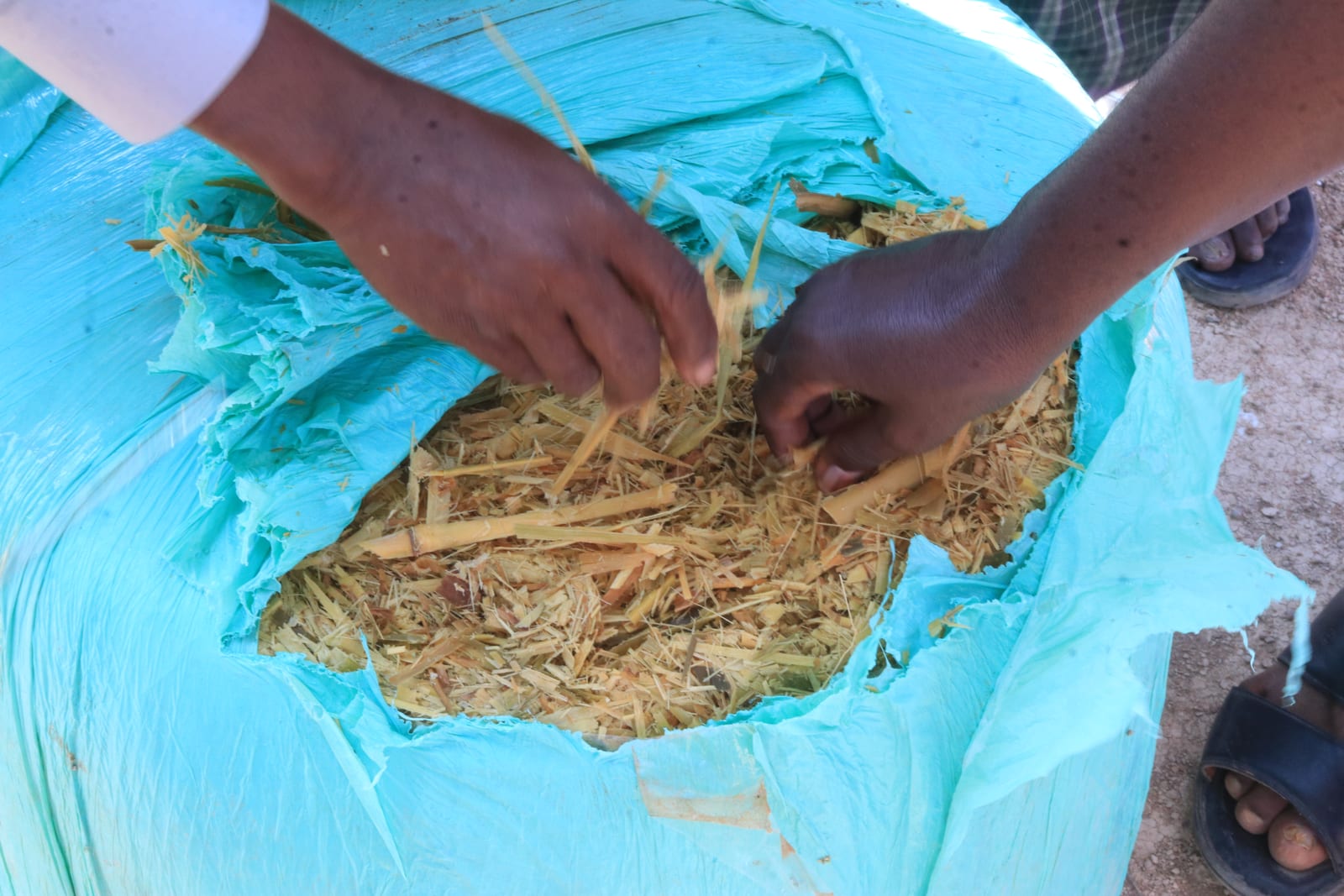
Keeping livestock productive through dry seasons
Ministry officials say feedlots do more than increase animal weight. They are a critical drought mitigation tool: when grazing lands dry up, feedlots offer an outlet for keeping animals alive and in condition, enabling herders to avoid distress sales or catastrophic loss.
“Growing fodder and managing feedlots give pastoralists control over production and timing,” said Dr. Aden Hussein Derow, Director of Animal Production and Research. “This shift is essential as Somalia moves from traditional grazing toward a more resilient, market-oriented livestock system.”
Dr. Derow said feedlot and fodder development is being implemented alongside other HoA DRIVE-supported reforms, including the rollout of the Somali Livestock Identification and Traceability System (SOMLITS), upgrading veterinary laboratory capacity and the digitization of export health certification. Together, he said, these initiatives are improving disease control, food safety and trade efficiency, while building confidence in Somali livestock across regional and international markets.
For many pastoralists, feedlots and fodder help protect livestock from climate shocks and reduce the need for seasonal migration, allowing animals to be fattened closer to home.
Planning production around the market
Calaf Group, the Somali firm delivering the training, said the emphasis is on helping pastoralists move from coping with dry periods to planning livestock production around market demand. Ahmed Yasin, the company’s Managing Director, said: “Our goal is to ensure consistent, high-quality livestock supply to the market, a key requirement for export trade.”
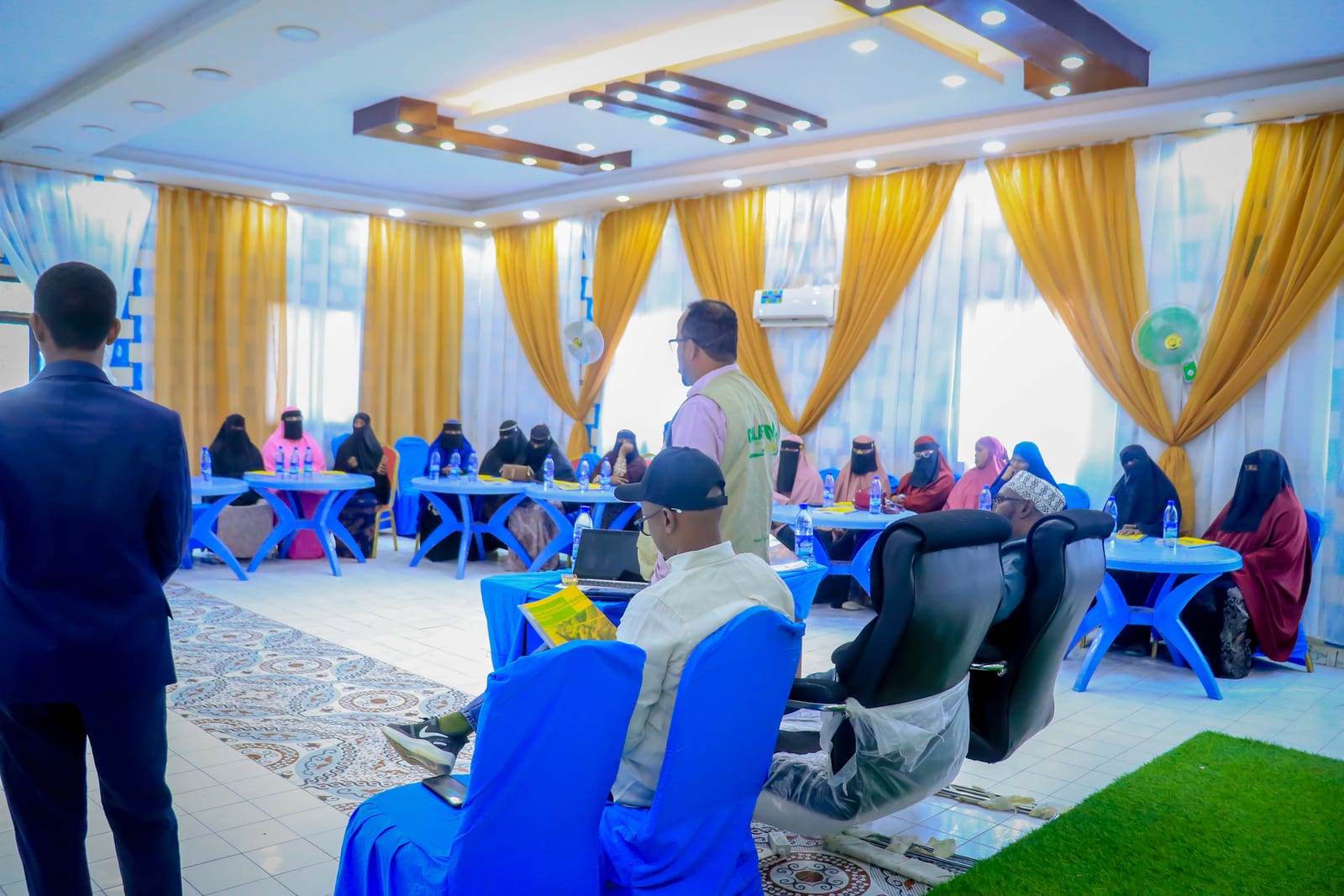
As the training expands to other regional states, officials aim to link improved feeding practices with finance, traceability and animal health reforms to support job creation, sustained growth in livestock exports and rural incomes.
For now, participants from the Adado workshop are returning to their communities with fresh knowledge, renewed confidence and a clear sense that Somalia’s age-old pastoral economy is evolving.
“I have been a pastoralist for many years, but I realized here that I was only doing half the work,” said Mohamud Abdullahi Galbayte, an agropastoralist from Adado. “When we feed and fatten our animals properly, the dry season stops being a death sentence for our herds.”