Somalia takes on the barriers between producers and regional markets
At a DRIVE-supported workshop in Mogadishu, businesses and officials examined why goods get held up and what needs to change for Somali products to reach more buyers.
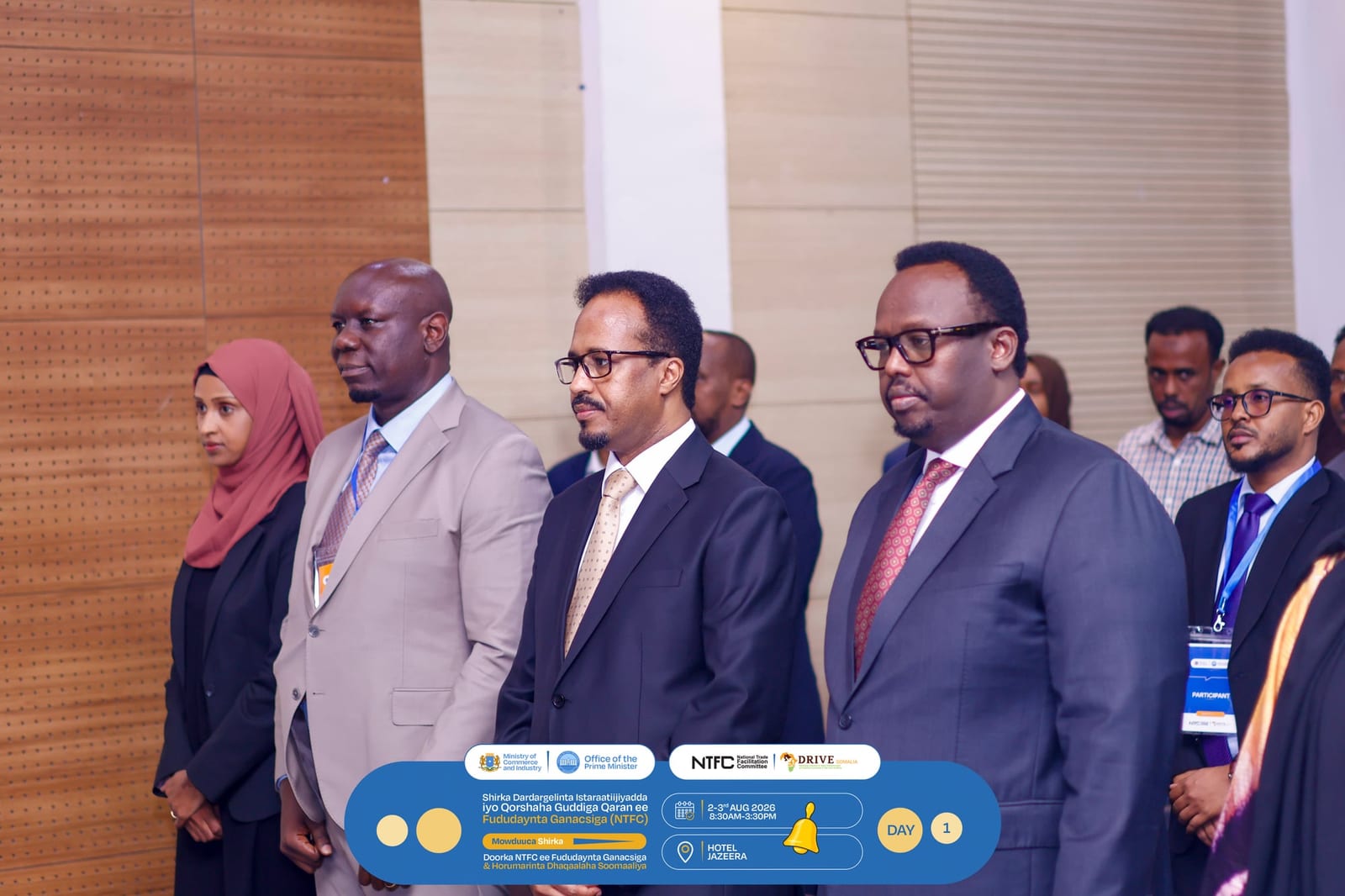
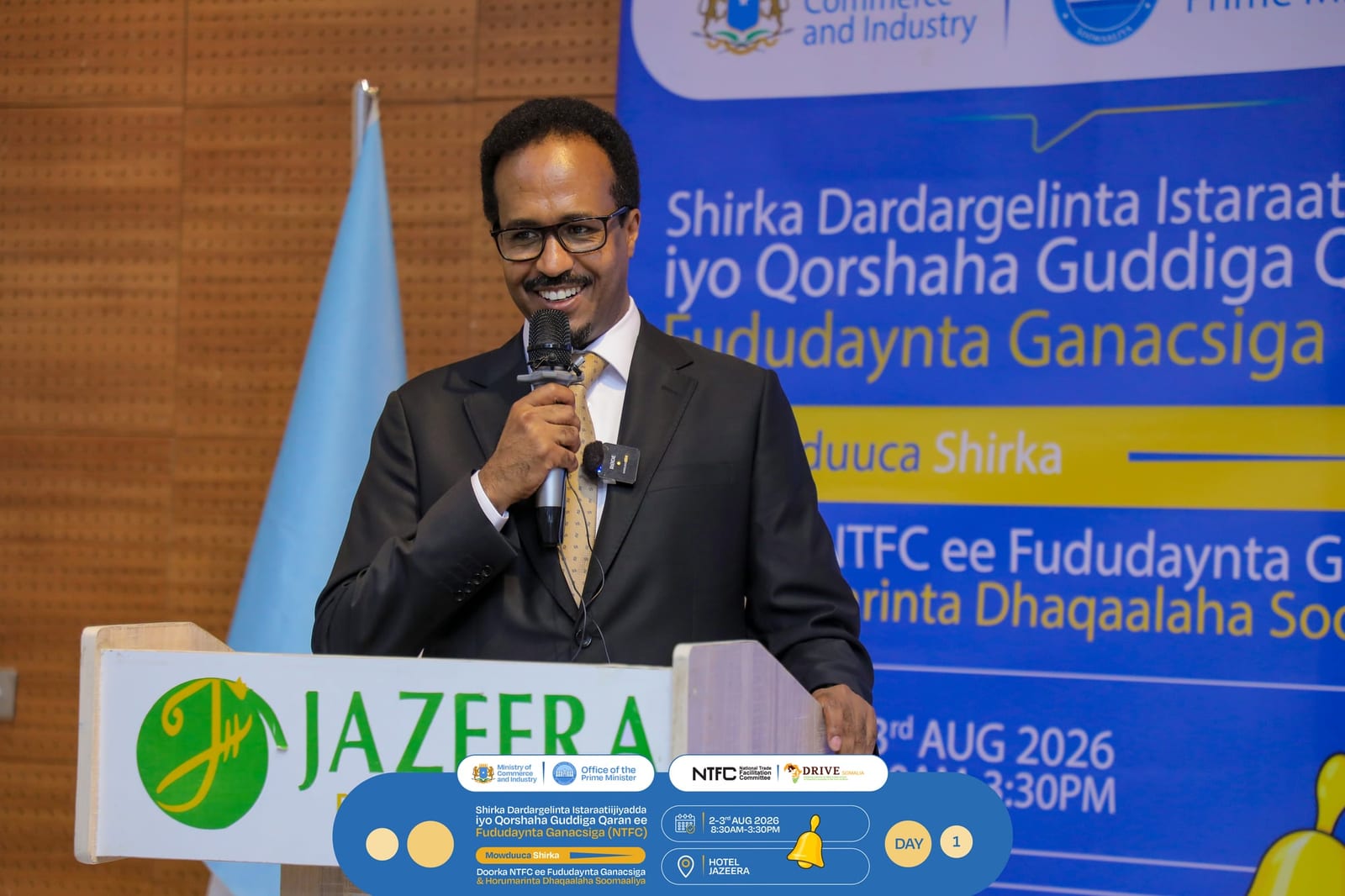
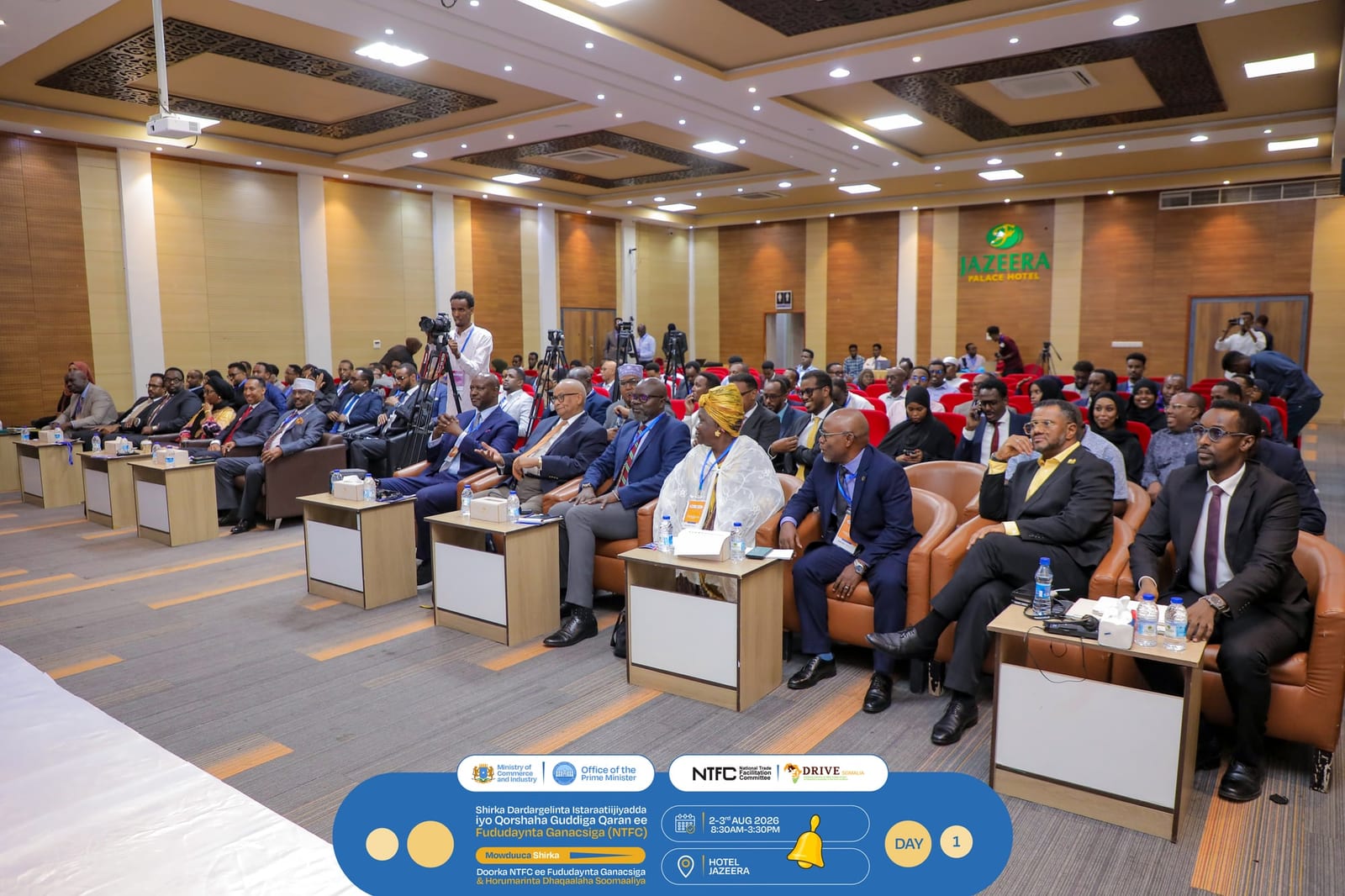
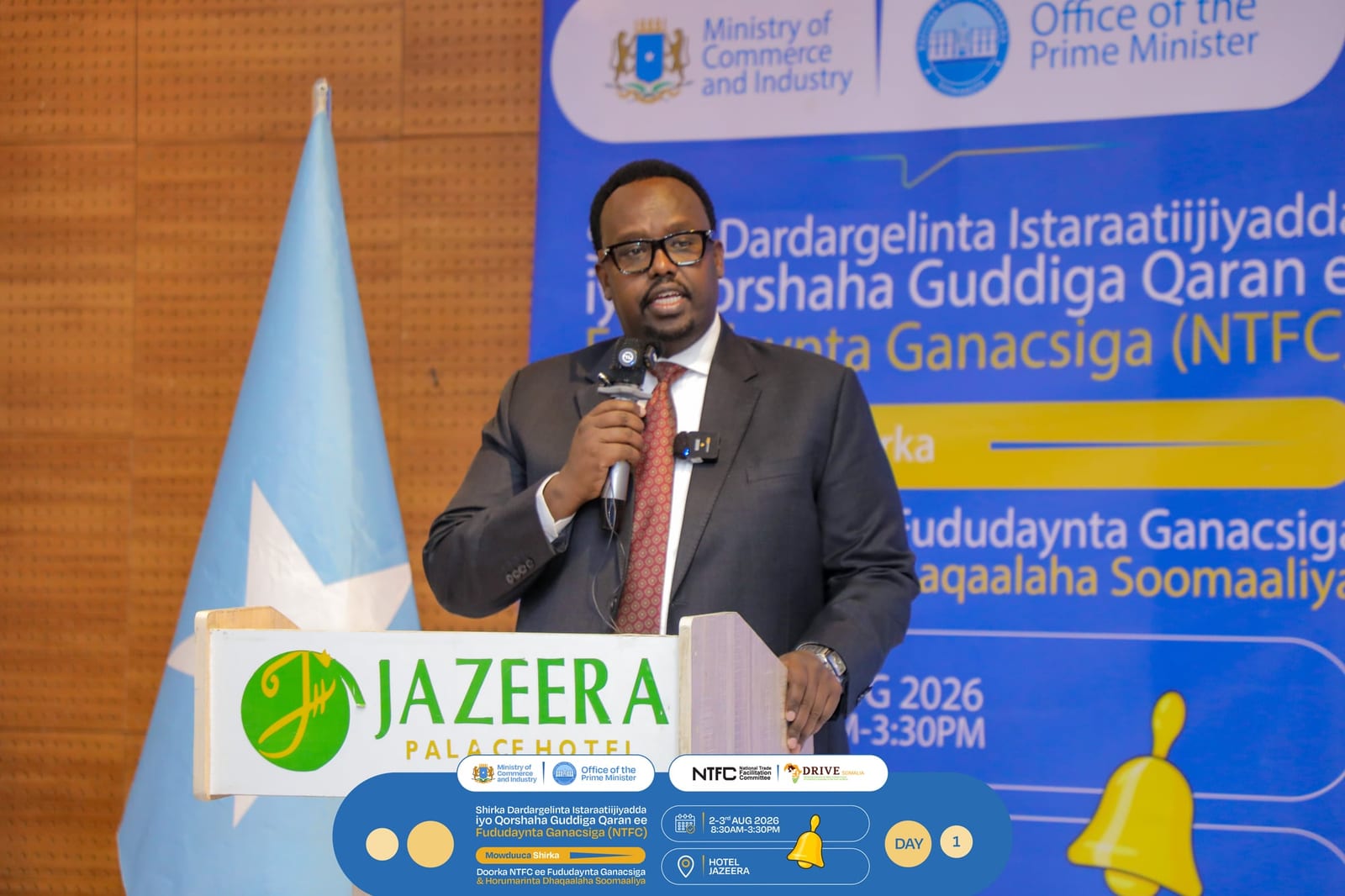
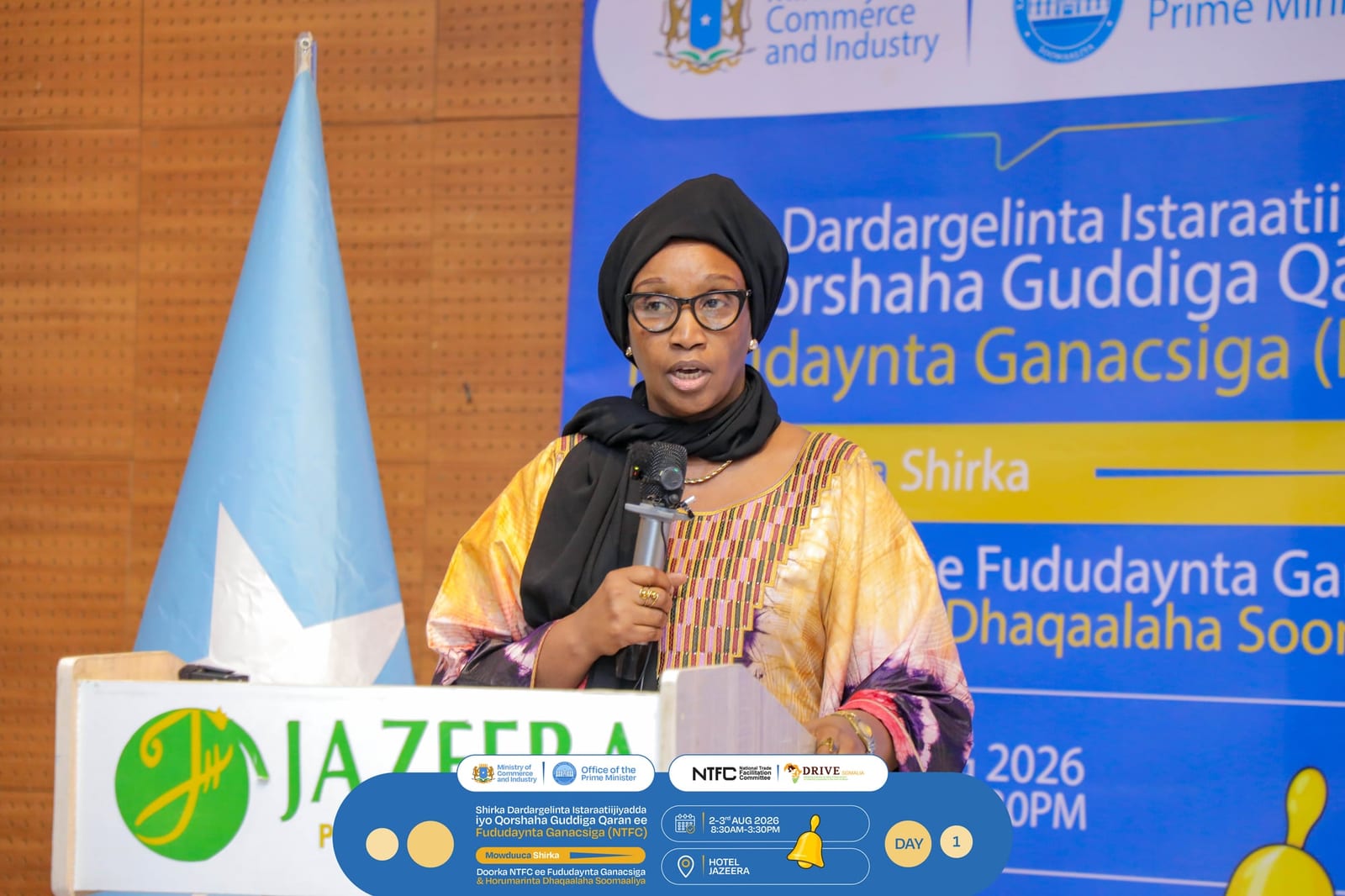
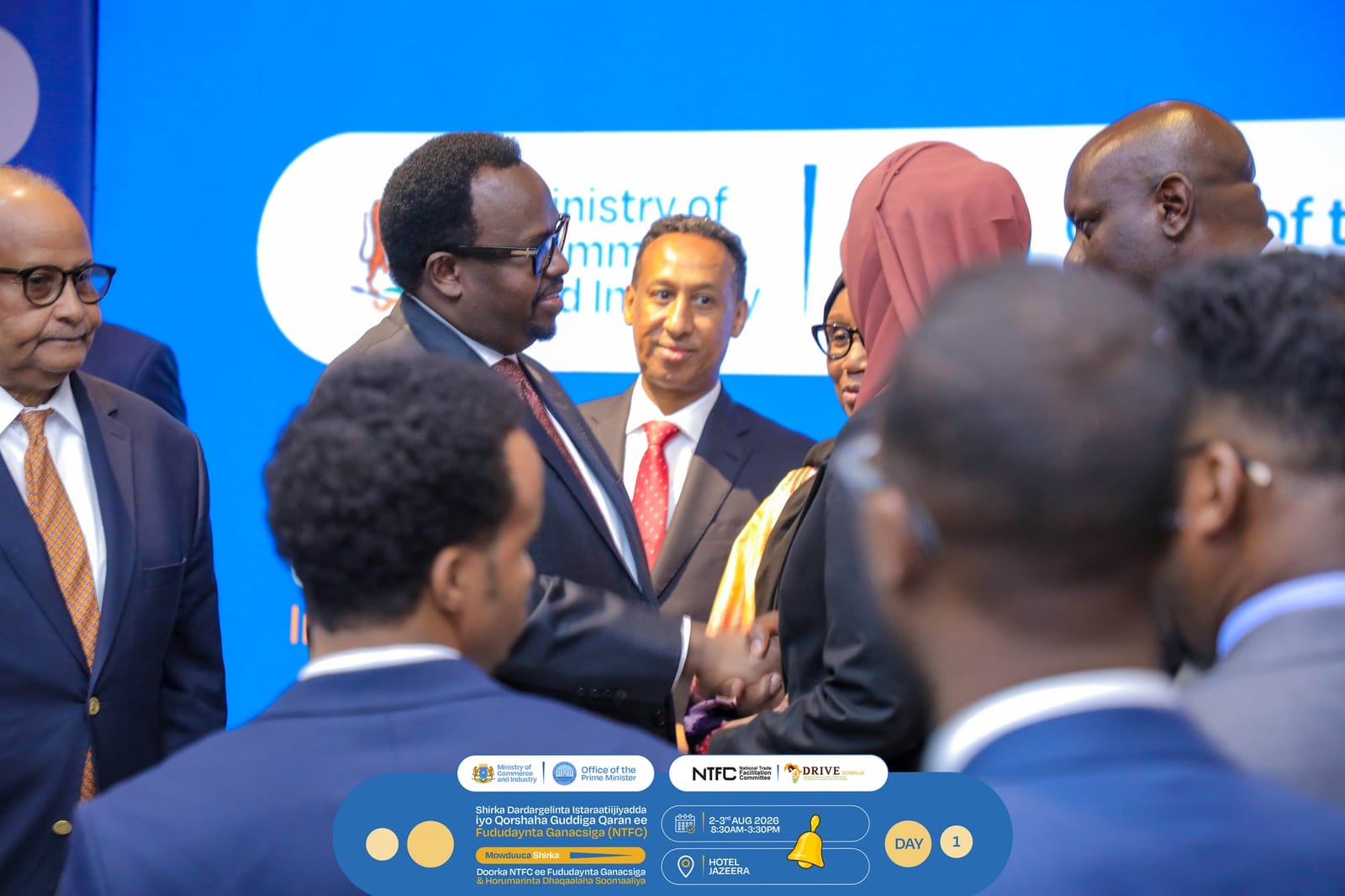
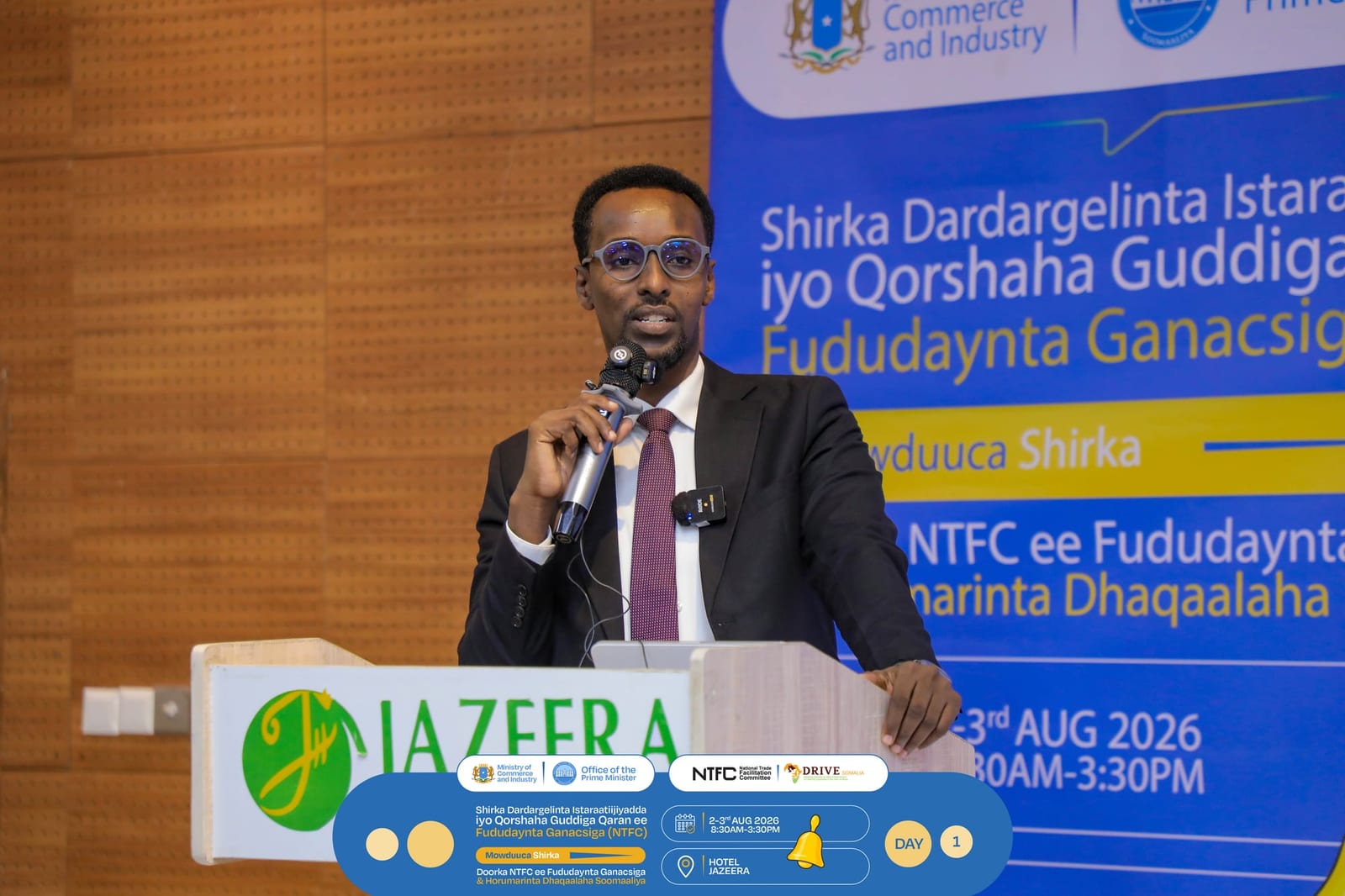
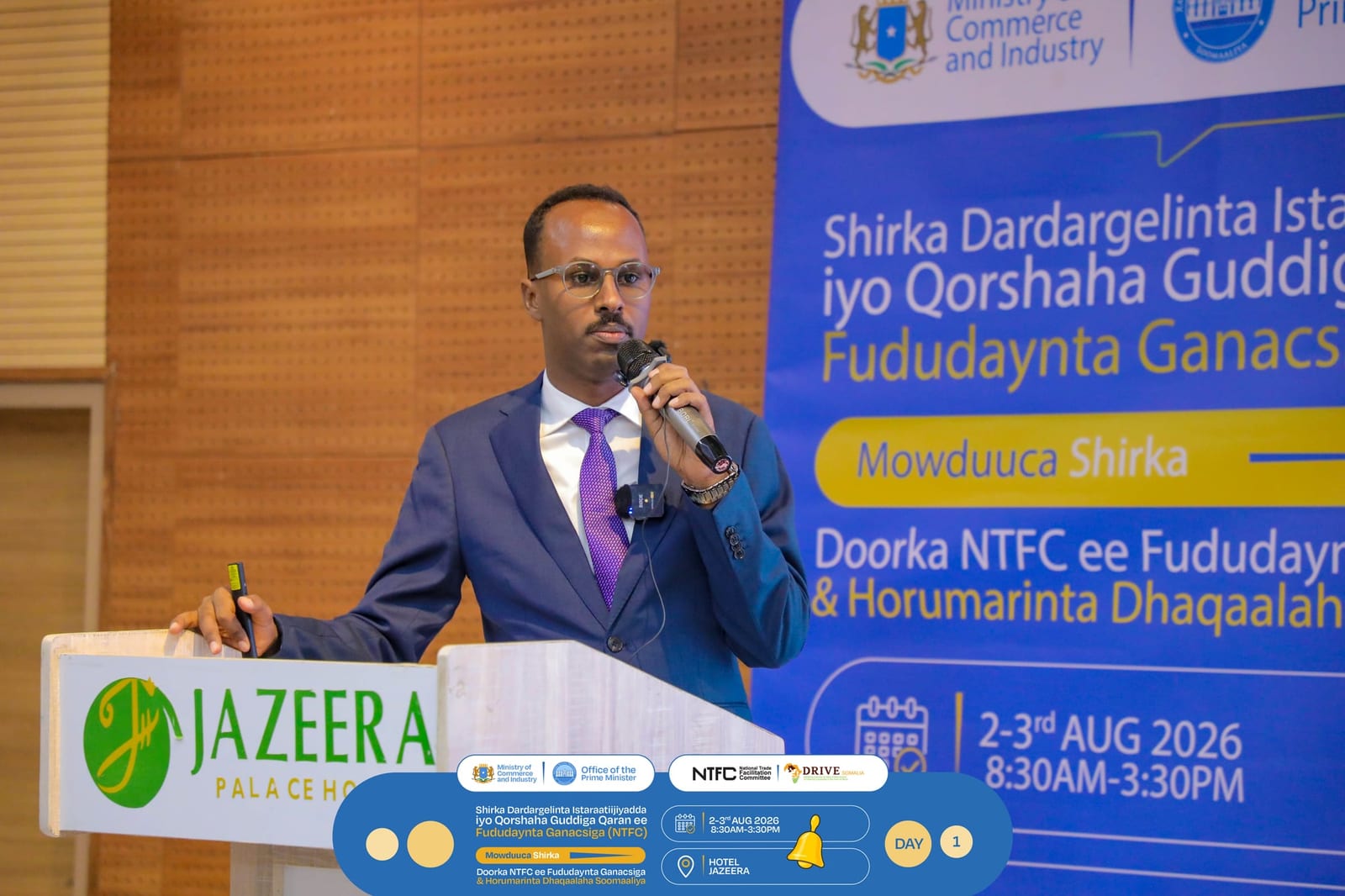
Somalia’s membership of the East African Community opens a wider market for its producers. Reaching those buyers means getting products certified and delivered at a price that leaves a profit. Every extra charge or day spent waiting for clearance makes that harder.
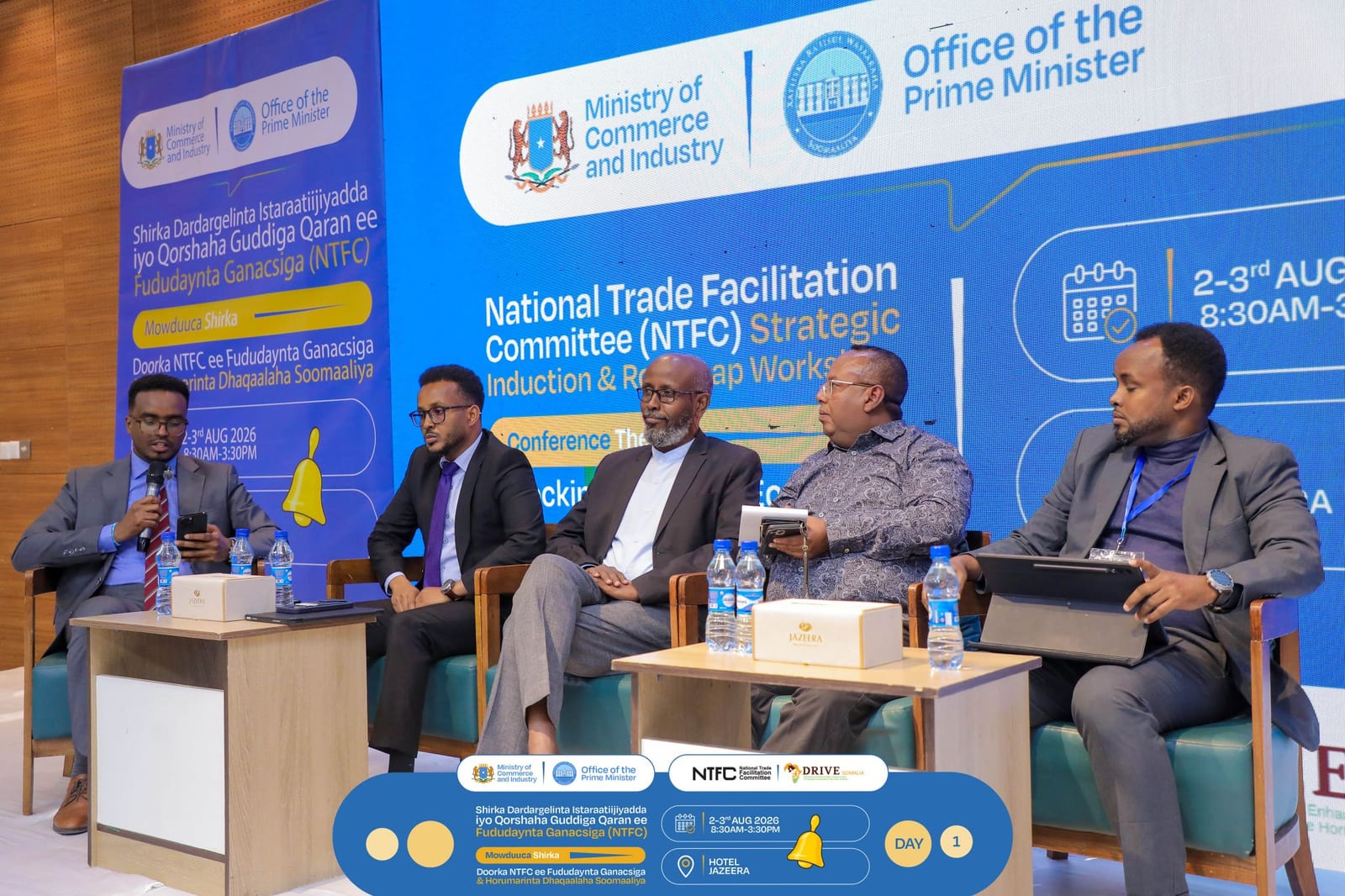
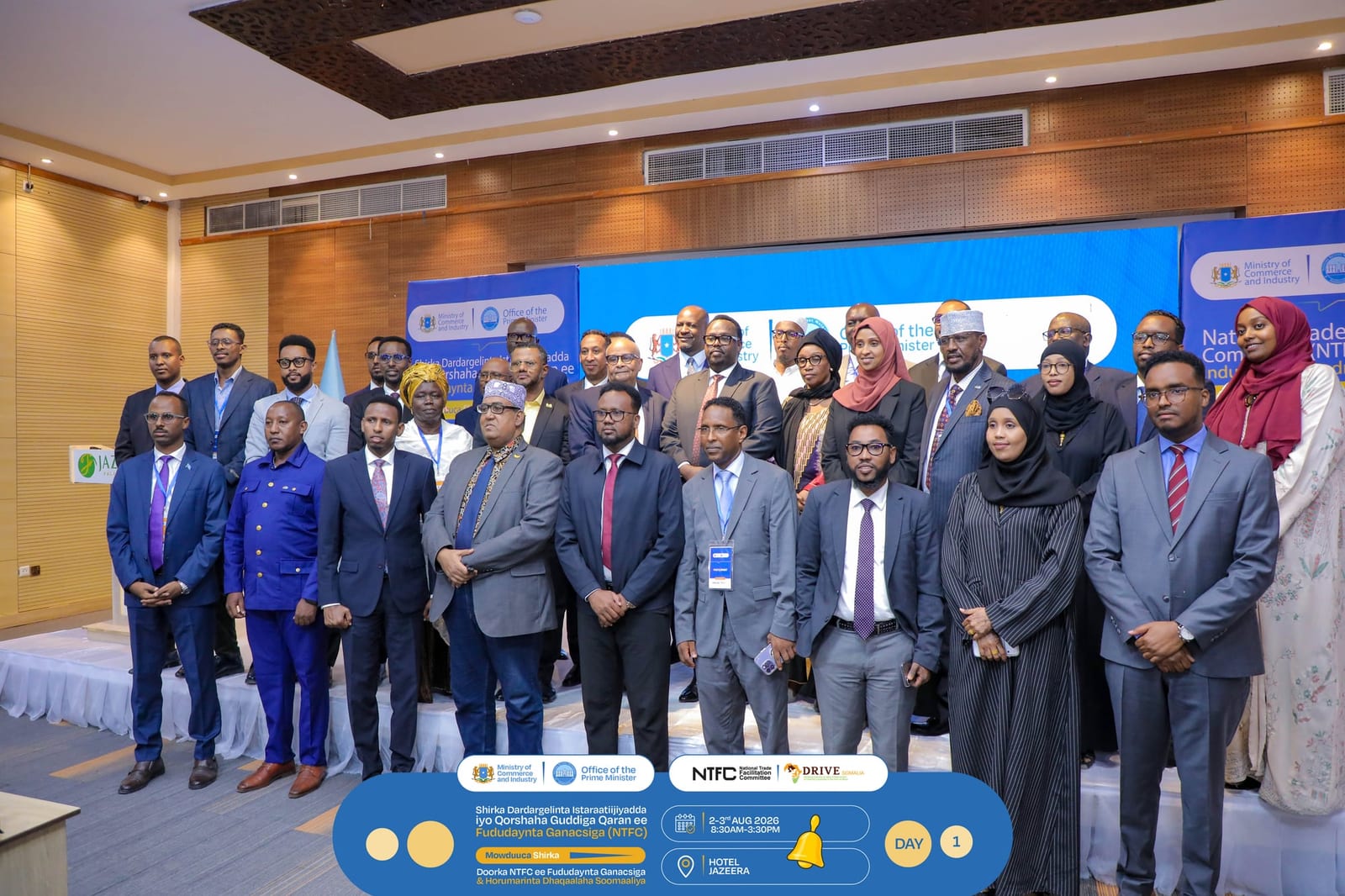
Those costs ran through the National Trade Facilitation Committee (NTFC) Strategic Induction and Roadmap Workshop in Mogadishu on August 2–3, 2026. Somali institutions and businesses joined East African Community delegates and development partners for the two-day meeting, supported by the World Bank-financed HoA DRIVE Somalia project through the Ministry of Commerce and Industry.
Where trade gets held up
At ports, airports and land borders, customs clearance can be only one stage of a longer wait. Participants described shipments held while another agency completed its checks, traders supplying the same information more than once, and approvals delayed by manual inspections. Agencies also lack some of the equipment and shared data they need to do their work.
A trader has to navigate all of this as one journey, even when the institutions involved handle their parts separately. The NTFC, coordinated from the Office of the Prime Minister, is meant to help them solve problems that no single agency can fix alone. It brings federal institutions and Federal Member States together with businesses and other partners, giving traders a place to raise problems and press for action.
“NTFC’s value will not be measured by strategies produced, but by reforms completed, bottlenecks removed and export opportunities created,” said Sadaq Mohamed, the Committee’s coordinator.
Some services have already moved online, including business registration, and work on customs automation is underway. The proposed National Single Window would take that work further. Traders would submit information through one entry point, allowing the authorities handling a shipment to use it without asking the business to supply it separately to each agency.
A pilot at Mogadishu Port was among the near-term proposals presented by Zeinab Hersi Mohamed, Foreign Trade Adviser at the Ministry of Commerce and Industry. The ministry also wants to expand the Trade Information Portal and put a system for reporting non-tariff barriers into use. Traders need to be able to find the requirements before preparing a shipment, and report a problem when the process fails.
Making regional access work
The rules applied at the border matter just as much as the system used to submit a form. Somalia became a full EAC member in March 2024; the work now includes bringing national laws and customs documents into line with regional requirements and preparing officials to apply them consistently.
“Successful regional integration requires more than signing the Treaty. It lies in implementation,” said Hon. Rutazana Francine, Chairperson of the East African Legislative Assembly’s Committee on Communication, Trade and Investment.
Delegates from the region shared experience of that work, including the time and resources institutions need to take on new responsibilities. Somali officials also examined how preparations for EAC trade, the African Continental Free Trade Area and WTO accession fit together, so that the same institutions can manage the work as part of one national agenda.
For producers, getting through a border is only part of the challenge. They also need to show that their products meet the standards buyers require. DRIVE’s support for testing, certification and inspection services addresses that problem alongside its work on livestock trade. Together with financial protection against drought, these investments aim to help pastoralists earn more from the animals they raise.
The people using those services need a say in how they work. Sonia Plaza, World Bank Senior Economist and Task Team Leader for HoA DRIVE Somalia, urged the Committee to include pastoralist networks, clearing agents and informal cross-border traders alongside larger businesses. She called for regular meetings, reliable funding and sustained government backing to keep the Committee working after the workshop.
Investing in production at home
Lower trading costs also matter to businesses deciding whether to invest in processing more Somali products at home. Yaasin Ibar, Chairman of the Somali Chamber of Commerce and Industry, pointed to opportunities in livestock and agro-processing, but also the need for dependable energy and transport. A processor needs both the means to prepare a product and a reliable route to sell it.
Deputy Prime Minister Salah Ahmed Jama put that ambition at the center of the government’s trade agenda. He called for trade reforms to support production and investment in sectors where Somalia can compete, with Somali products reaching markets under Somalia’s own name.
Kamal Gutale, Permanent Secretary in the Office of the Prime Minister, set out a practical way to follow the work: trace the trader’s journey, assign each blockage to the institution responsible and set a benchmark and deadline for resolving it. The recommendations would then go to the NTFC’s technical working groups.
DRIVE’s support for this work connects easier trade to a wider goal: helping Somalia earn more from what it produces. A processor that can reliably fill orders has more reason to invest at home and buy from local producers. That is how better trade services can help build a steadier market for the pastoral families behind Somalia’s livestock economy.